

The blog
Cybersecurity
-

Could Your Business Survive a Ransomware Attack?
Immutable means something that can’t be changed or deleted after it’s created. For backup context, this means your backed-up data becomes unalterable.
-
Is Your Business Using WeakPasswords? Time to SecureAccounts and Boost Your CyberSecurity
Keeping track of multiple complex passwords can be overwhelming. Password managers can securely generate and store unique passwords for every account.
-

Fraud Risks Are Growing: Is Your Small Business Protected?
Fraud, particularly identity fraud, affects SMBs in several ways: Financial Loss, Operational Disruption and Reputation Damage.
-
Cybercriminals Are Getting In Without Your Password: What You Need to Know About Device Code Phishing
With Device Code Phishing, attackers trick you into giving them access to your account—without you even realizing it.
-
Overestimating Confidence: The Silent Threat to Your Business’s CyberSecurity
When employees underestimate their vulnerability, they inadvertently open doors for cyber criminals. Scammers will exploit that false sense of security.
-
Strengthening Your Cyber Defences: Mastering Password Security for Your Business
Instead of a basic word or phrase, opt for a passphrase—a short, random sentence that is meaningful to you but obscure to others.
-
Is Your Business Ready to Handle CyberSecurity Threats?
Cyber criminals are increasingly use advanced tools and the sophistication of technology such as artificial intelligence (AI), to exploit vulnerabilities.
-

Protect Your Business by Recognizing and Avoiding Malvertising Threats
A critical point about malvertising is that it doesn’t always require interaction. Sometimes simply loading an infected web ad can compromise your device.
-
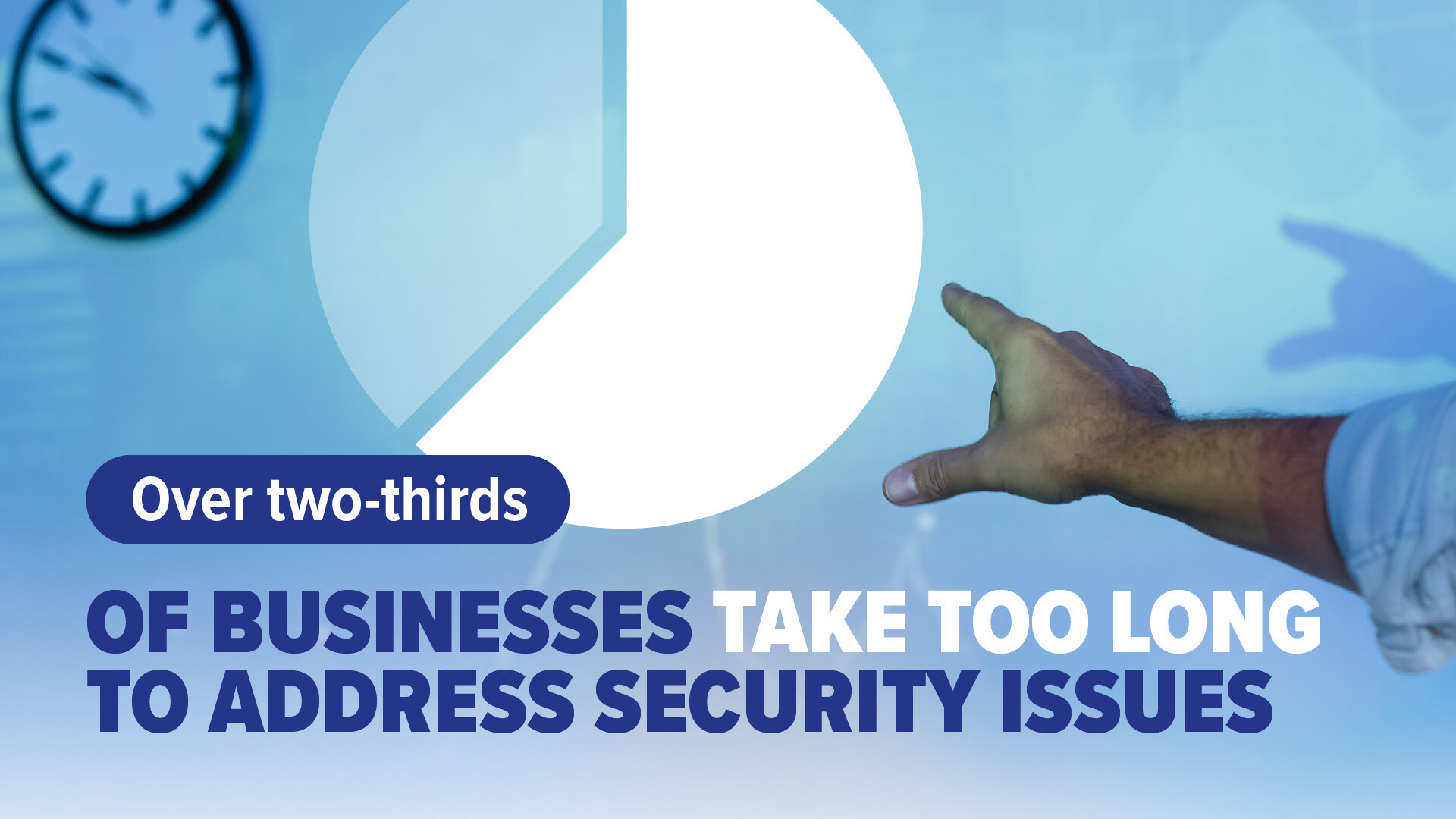
Many businesses aren’t addressing cybersecurity vulnerabilities fast enough
A managed cybersecurity provider offers advanced tools and automated systems designed specifically to detect vulnerabilities quickly.
-
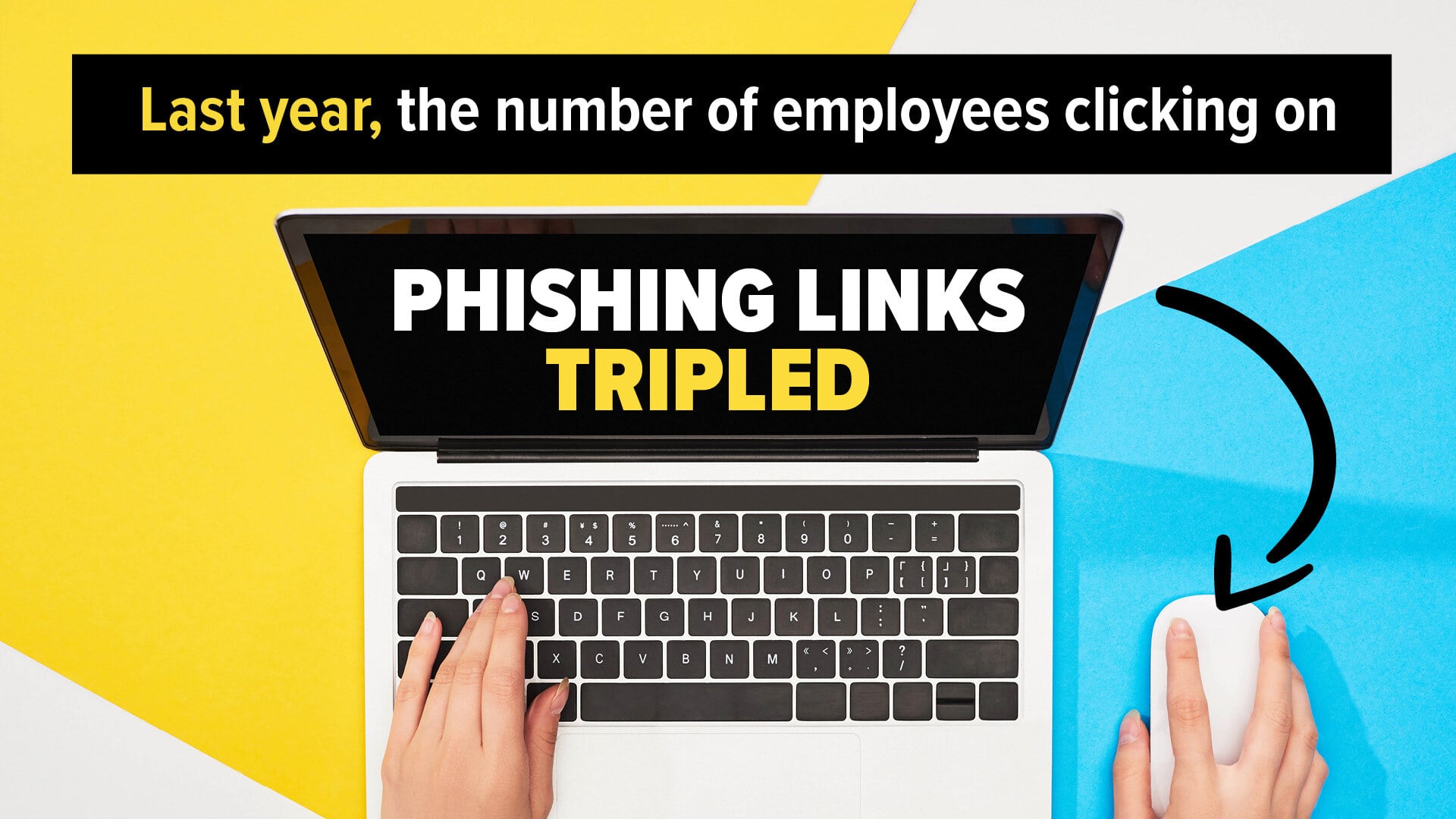
Employees Face Increasing Risks from Phishing Scams
Phishing is a method used by cybercriminals to trick people into providing sensitive information, such as passwords or financial details.